- Google Maps Platform provides extensive documentation, broad global coverage, and clear pricing and billing models, but costs can increase substantially at scale and require active management.
- TomTom publishes per-request pricing for core APIs (search, geocoding, routing, maps), which simplifies cost modeling for some buyers.
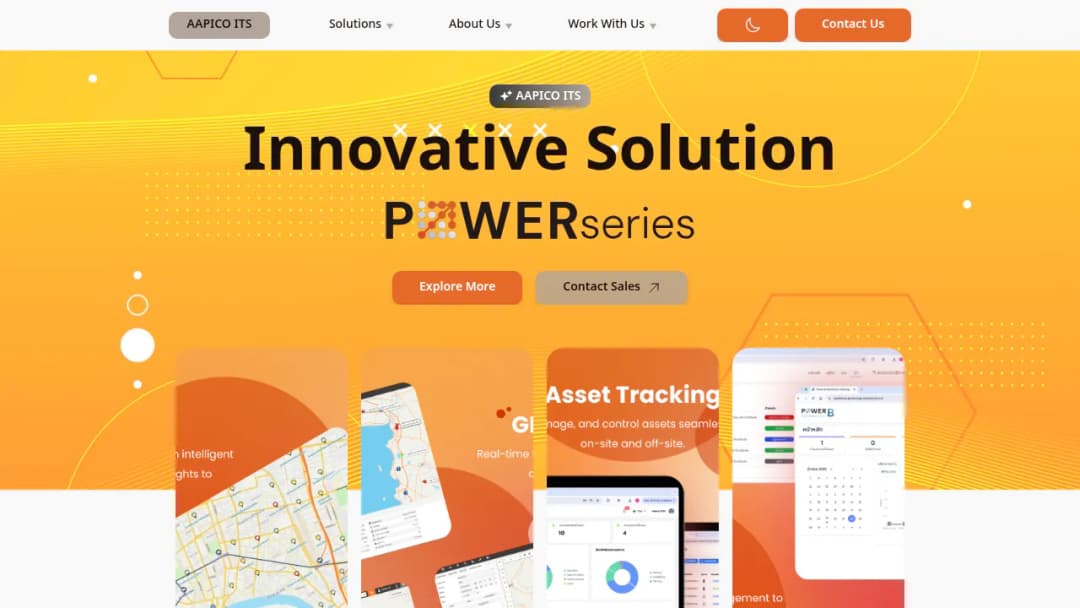
- PowerMap appears to position itself as a local vendor offering mapping plus integrated tracking and operational workflows rather than competing directly on global feature breadth and published pricing.
Potential advantages for PowerMap:
- Implementations focused on Thailand where local support, language, and regulatory context matter.
- Deployments that require integrated mapping plus tracking and proof-of-delivery style workflows from a single vendor.
Potential advantages for competitors:
- Global coverage, POI richness, and extensive developer ecosystems (Google).
- Predictable and published per-request pricing (Google, TomTom) and broader third-party validation.